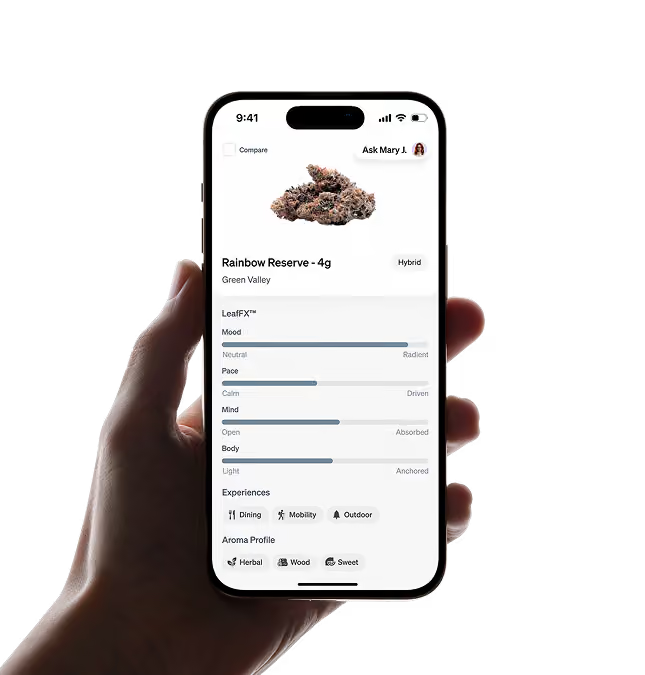
You are about to enter the website of a licensed cannabis retailer. Product availability, pricing, ordering, fulfillment, and compliance are managed entirely by the retailer, not by PowerLeaf.
Each retailer is independently owned and operated. Selecting one takes you to their separate commercial website.

Pawtucket, Rhode Island
Independently owned and operated

Additional licensed retailers using PowerLeaf
This list grows as new partners join
PowerLeaf does not sell cannabis, make product recommendations, provide medical advice, or endorse products for therapeutic effects. Cannabis is not approved by the FDA for the treatment, cure, or prevention of any disease. Information here is for educational purposes only. PowerLeaf.com is aneducational websitethat helps consumers understand cannabis ingredients and reported experience categories.
Go Back

Go Back
You are about to enter the website of a licensed cannabis retailer. Product availability, pricing, ordering, fulfillment, and compliance are managed entirely by the retailer, not by PowerLeaf.
Each retailer is independently owned and operated. Selecting one takes you to their separate commercial website.

Pawtucket, Rhode Island
Independently owned and operated


Additional licensed retailers using PowerLeaf
This list grows as new partners join
PowerLeaf.com is an educational website that helps consumers understand cannabis ingredients and reported experience categories. PowerLeaf does not sell cannabis, make product recommendations, provide medical advice, or endorse products for therapeutic effects.Cannabis is not approved by the FDA for the treatment, cure, or prevention of any disease. Information here is for educational purposes only.

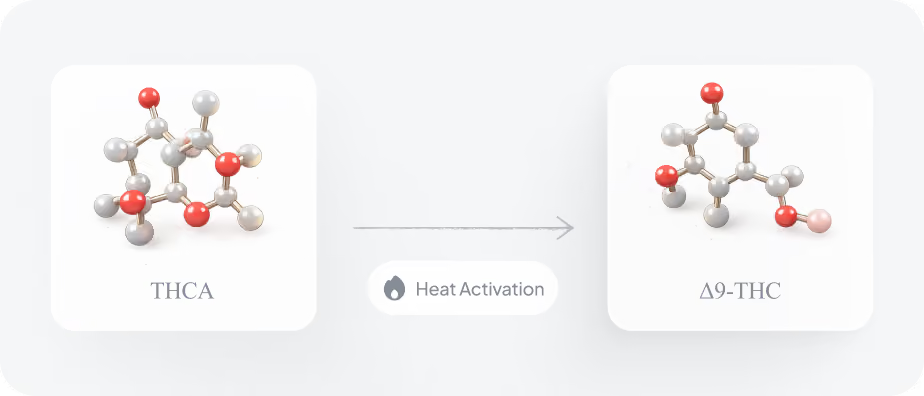
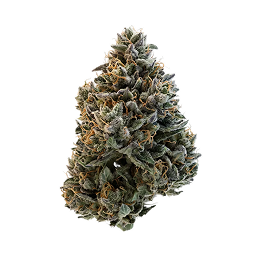
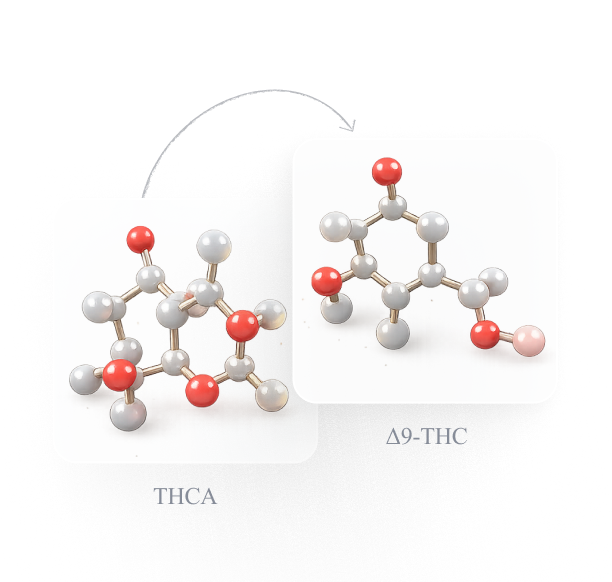
Raw cannabis flower, and raw trichomes in the form of kief or bubble hash require heating to convert cannabinoids to their active forms (i.e. d9-THC, CBD) prior to consumption. This occurs through a chemical process called decarboxylation.
Other products derived from cannabis flower, such as concentrates, edibles, beverages, tinctures, lozenges, and topical creams undergo heating during the manufacturing process and already exist in active form, ready to be absorbed by the body to produce sensory effects.


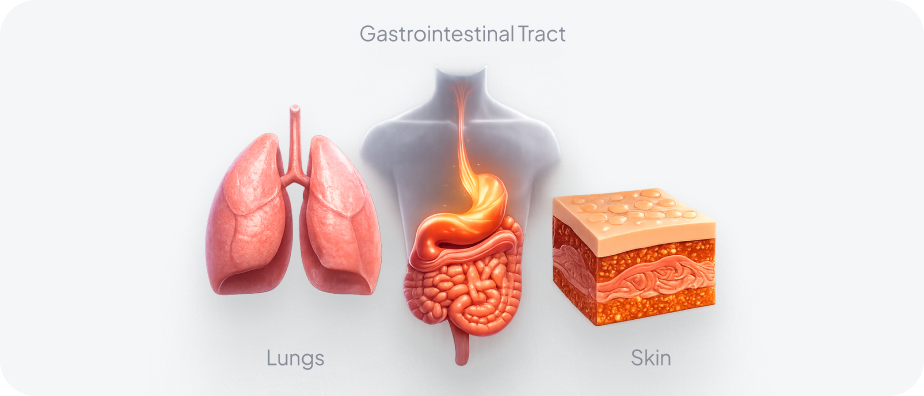
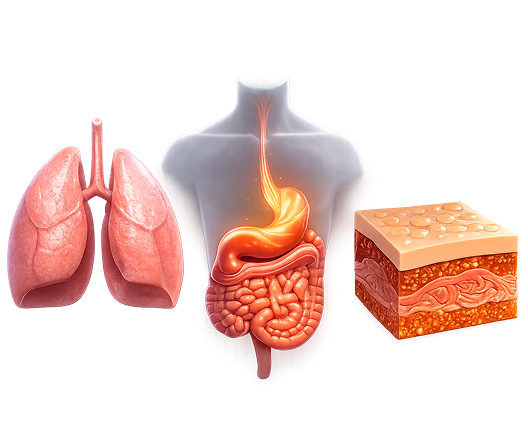
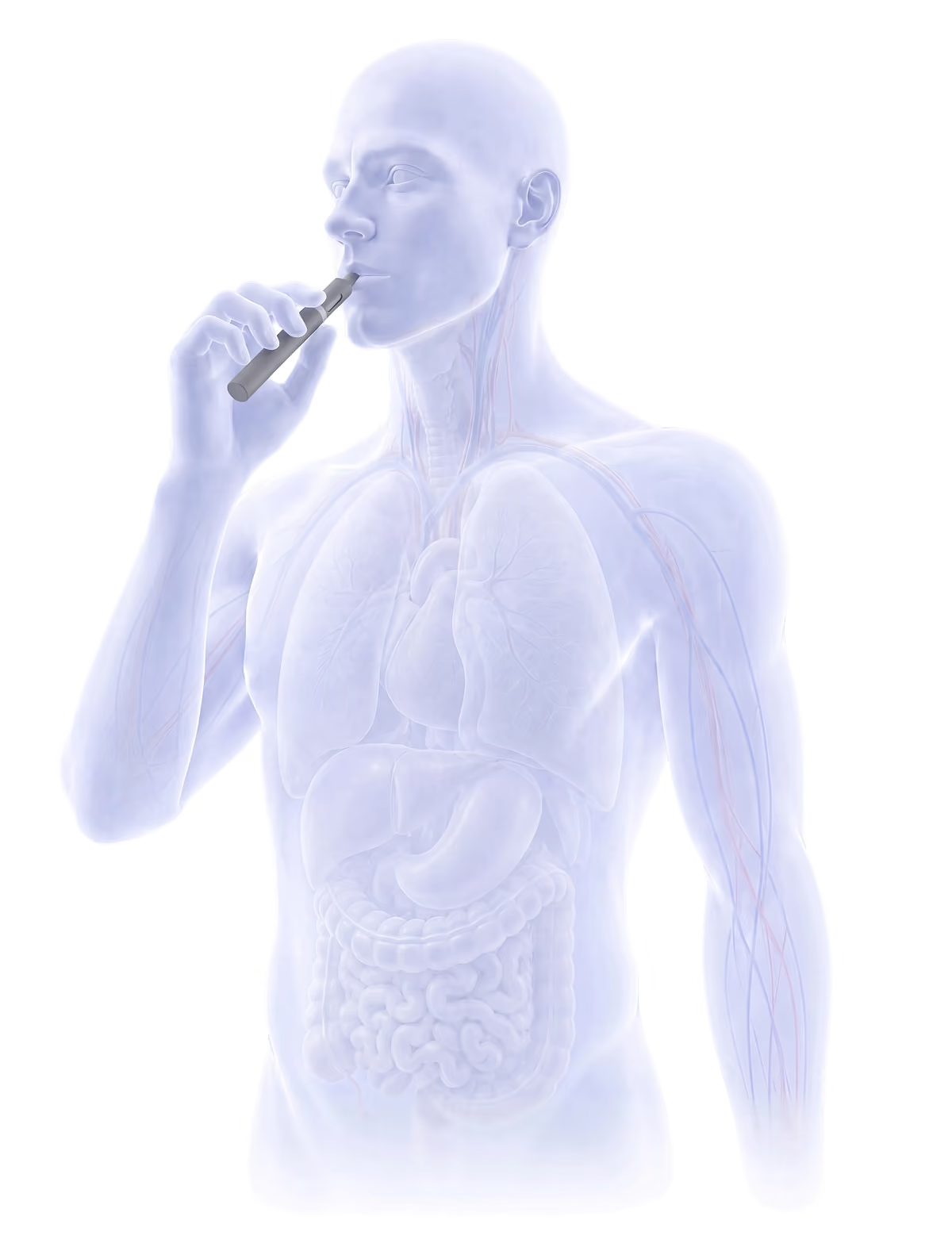
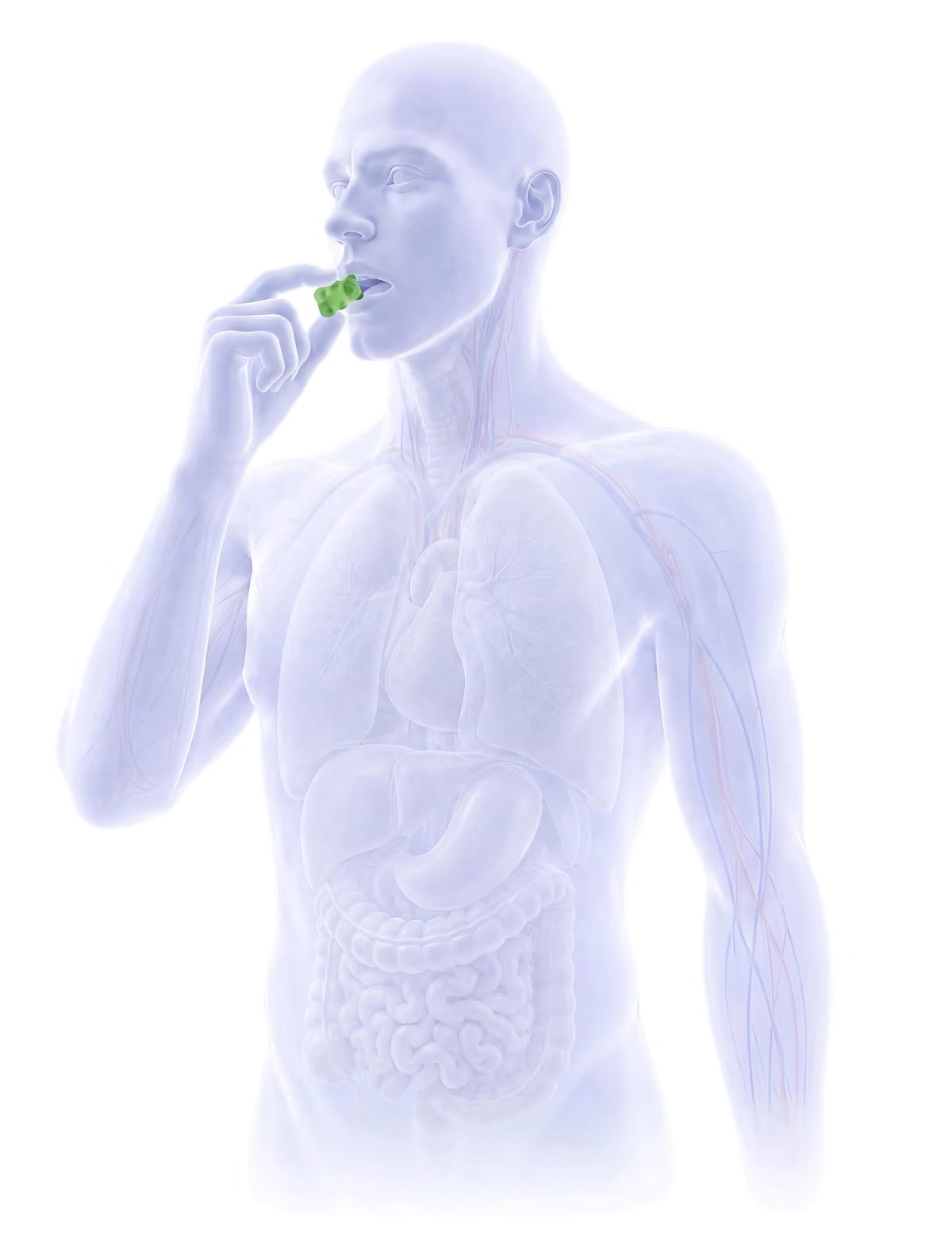
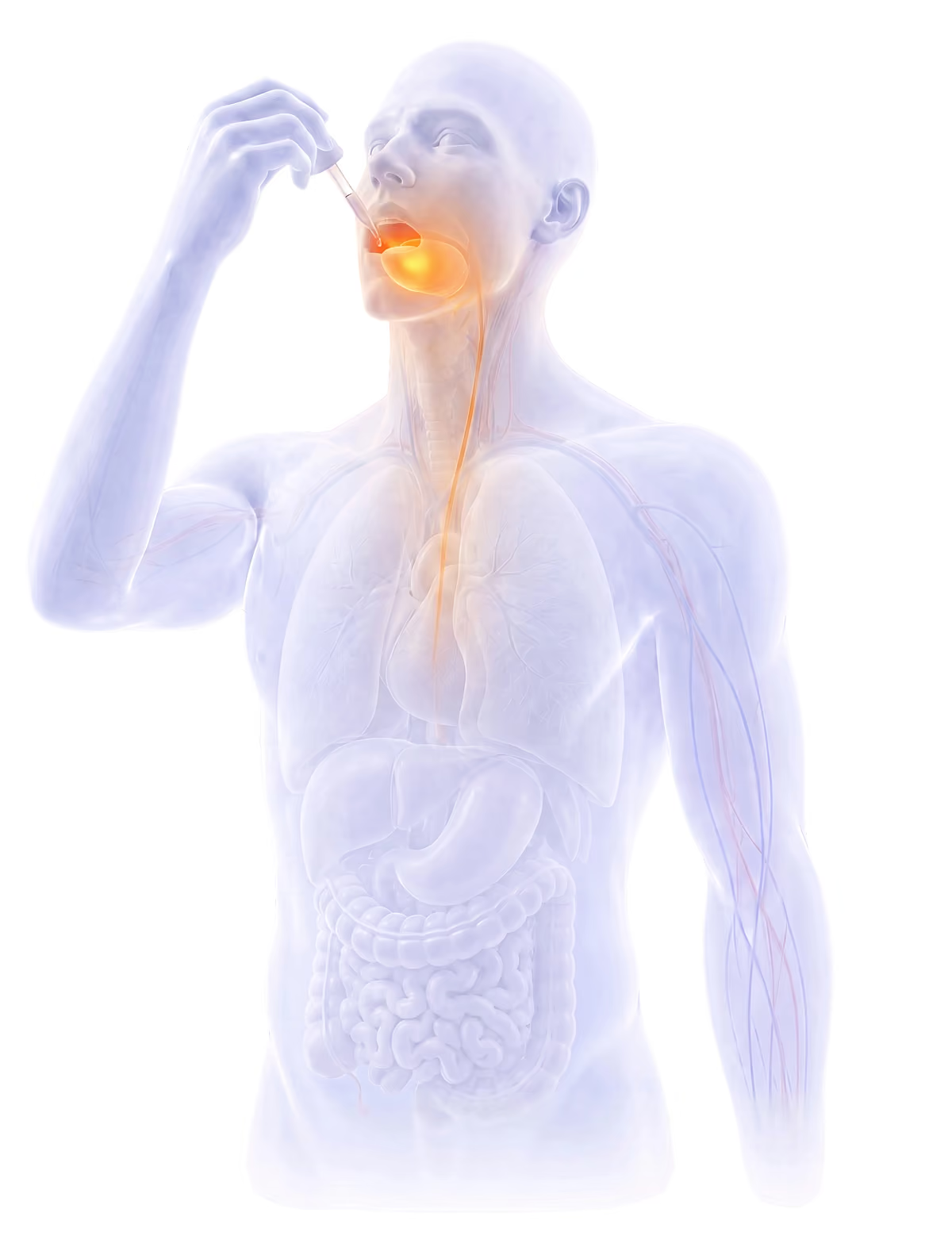
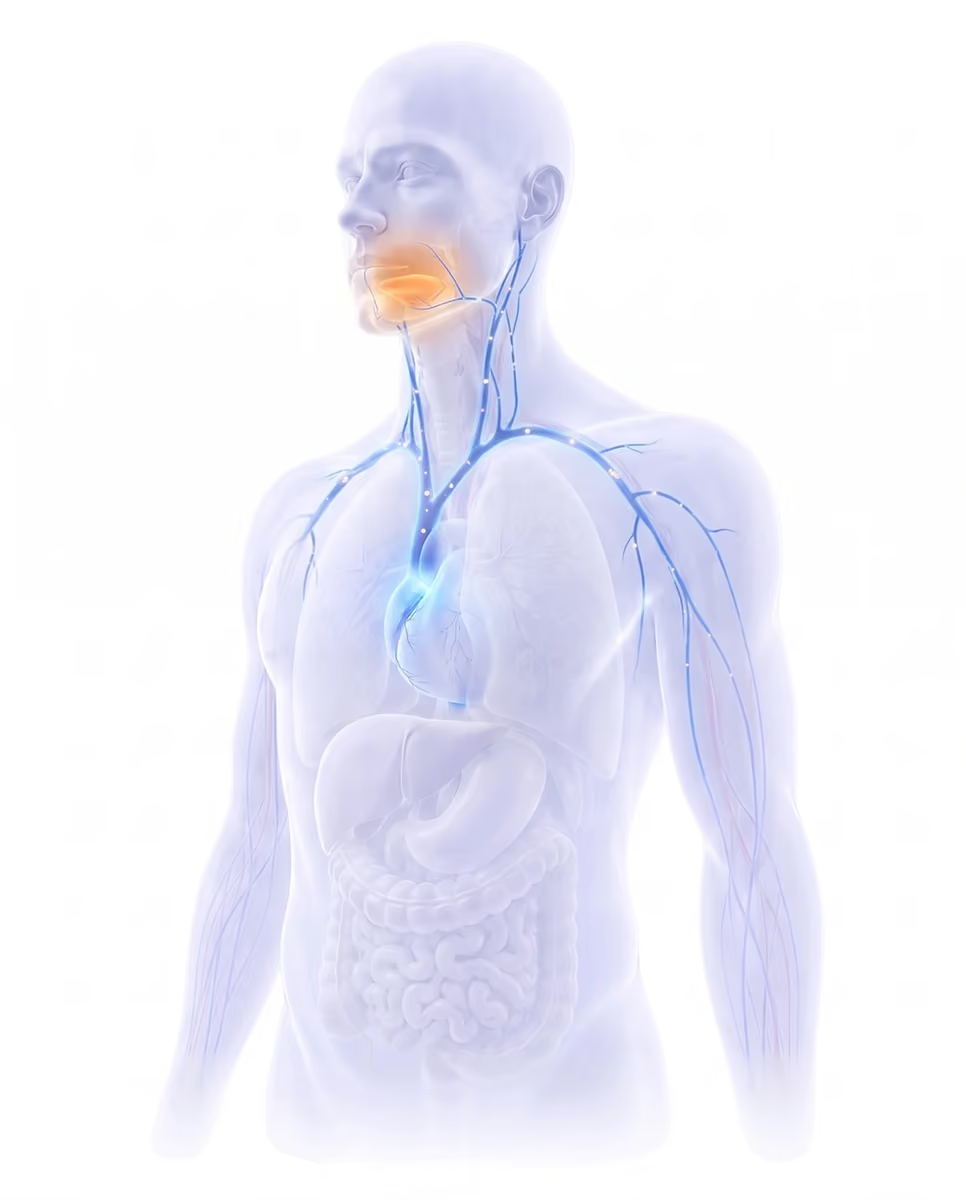
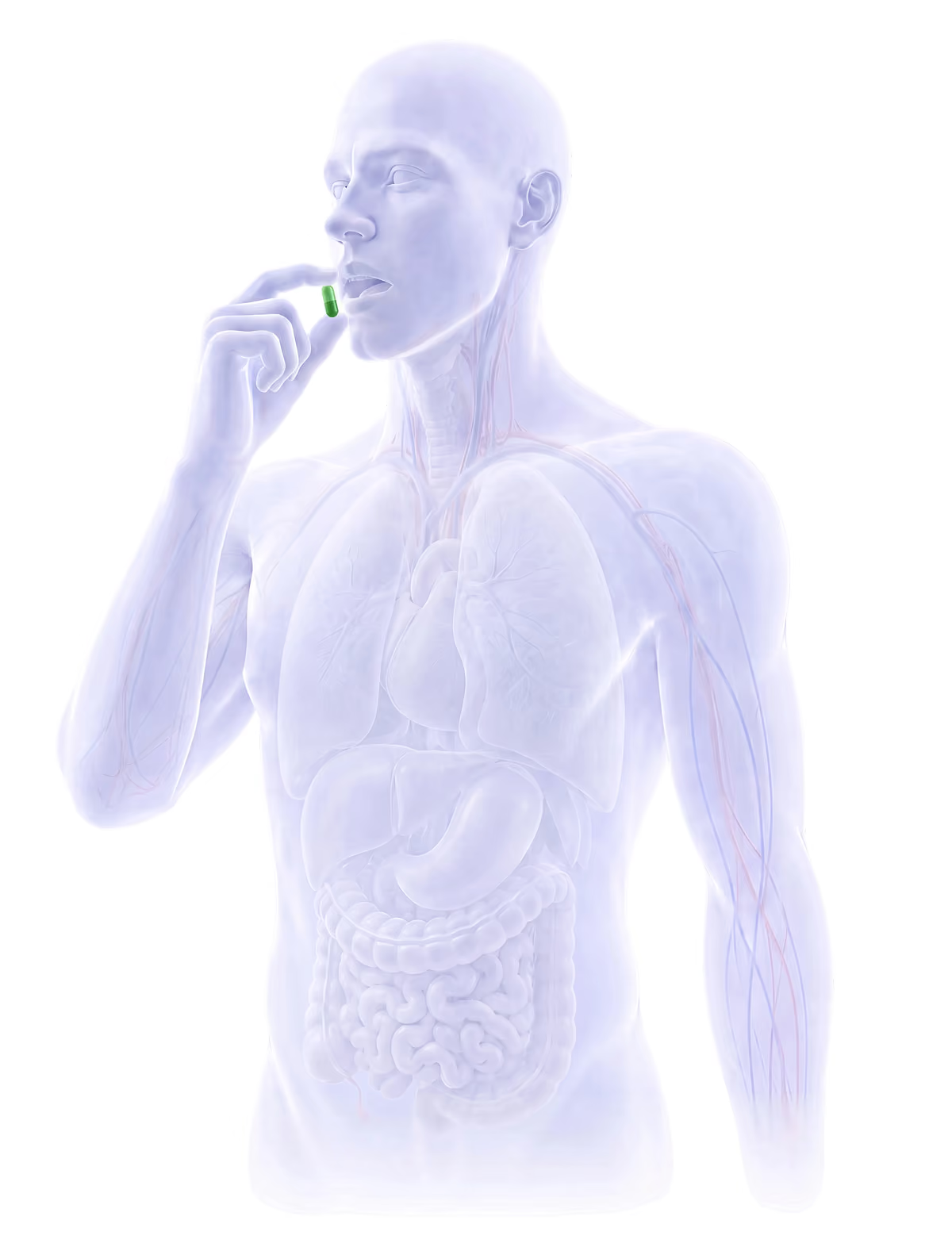
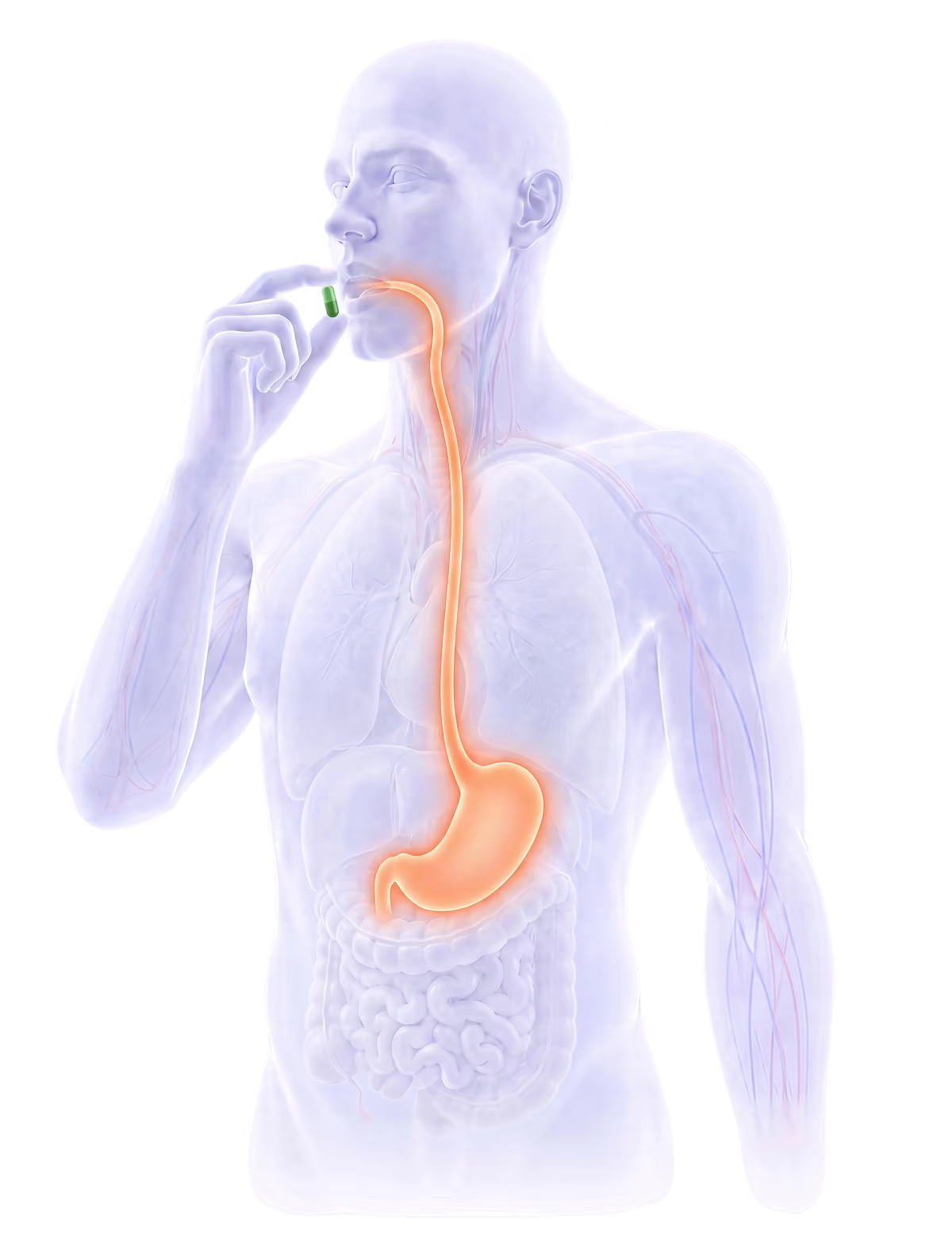
Once activated, cannabis compounds must be absorbed into the body to reach the bloodstream. This occurs through different pathways depending on product form:

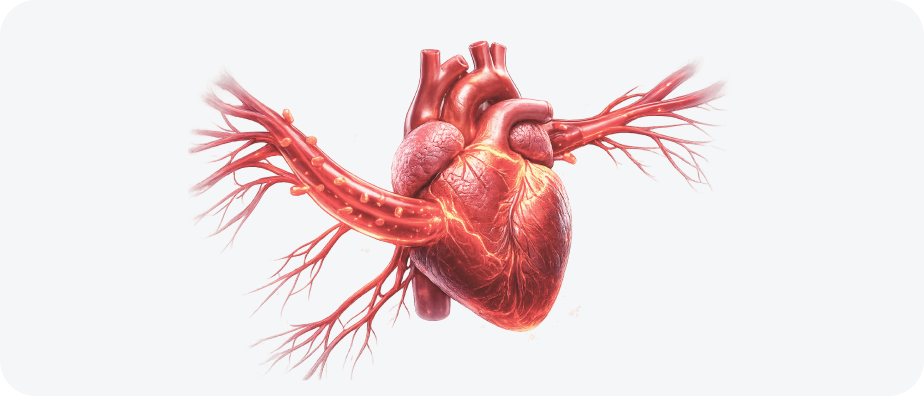
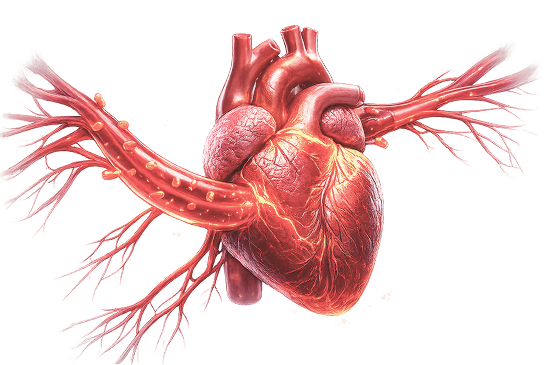
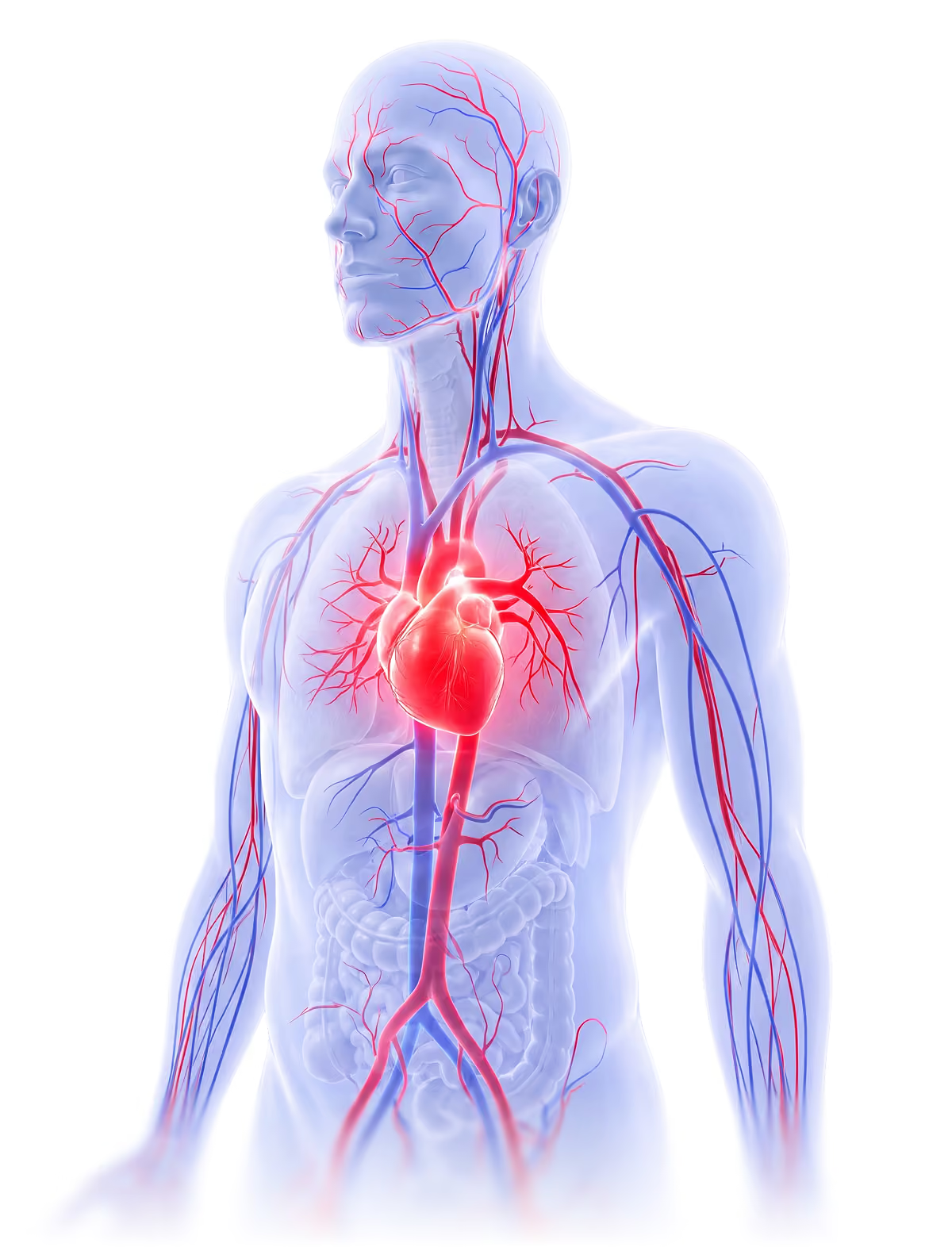
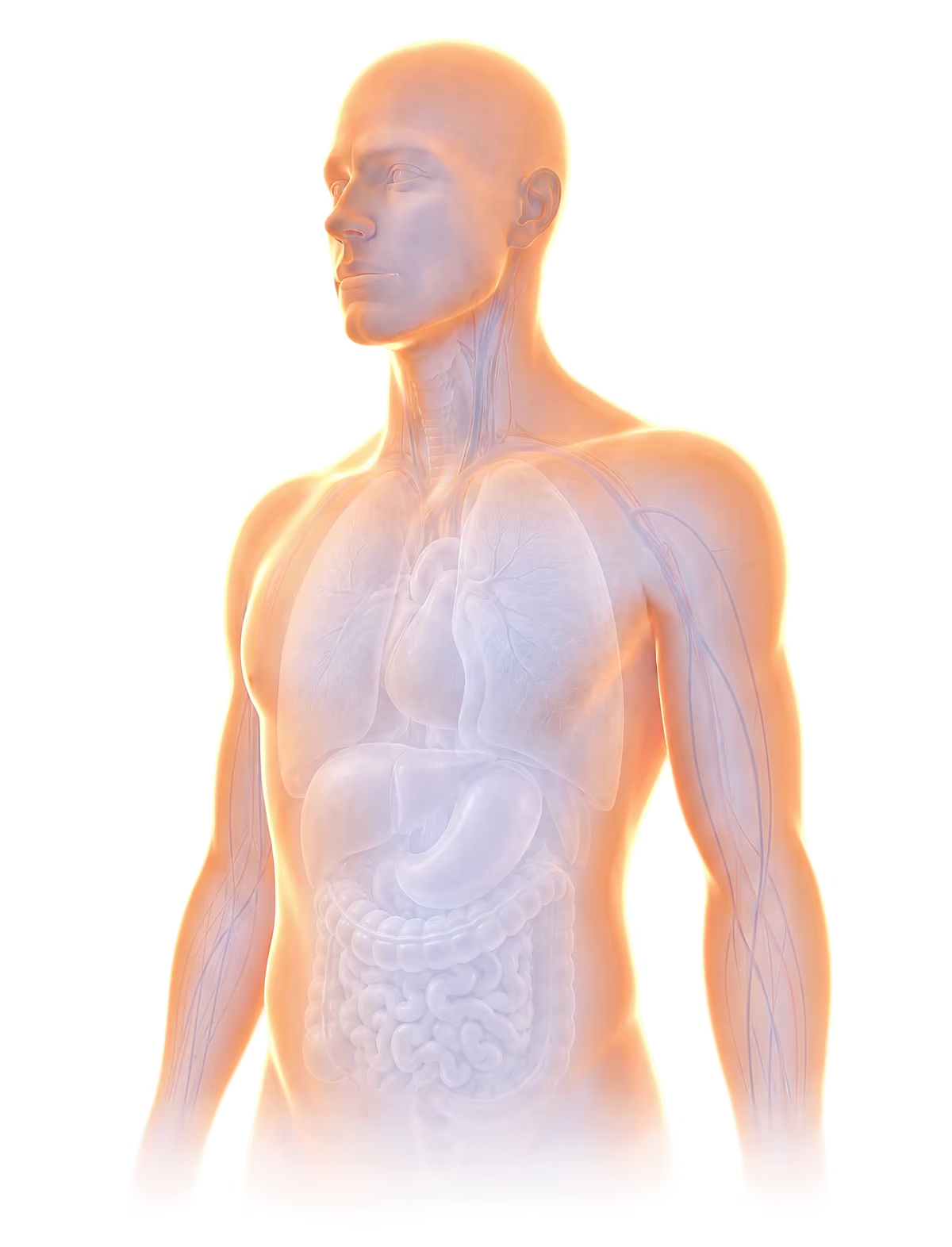
After absorption, active compounds enter the bloodstream and are distributed throughout the body. Circulating compounds travel to various tissues, including the brain, where they interact with receptors involved in sensory perception and neurological signaling.
KEY POINT: The speed at which cannabis ingredients are absorbed into the bloodstream, and the time that it takes for them to reach the brain largely determines a product’s effect onset time.


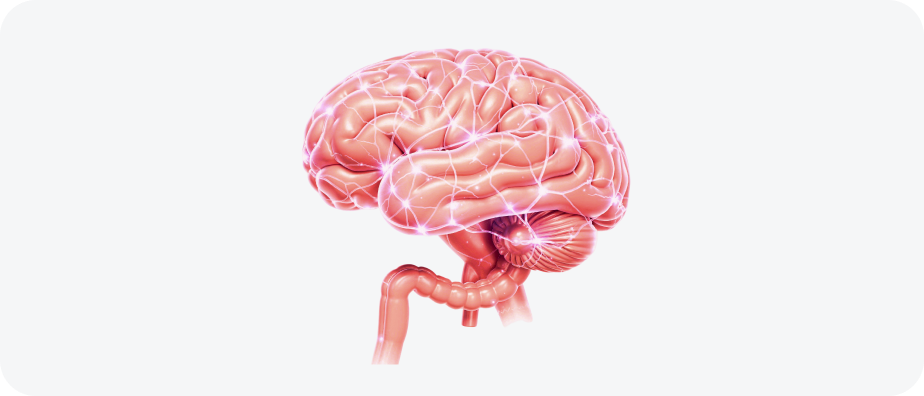
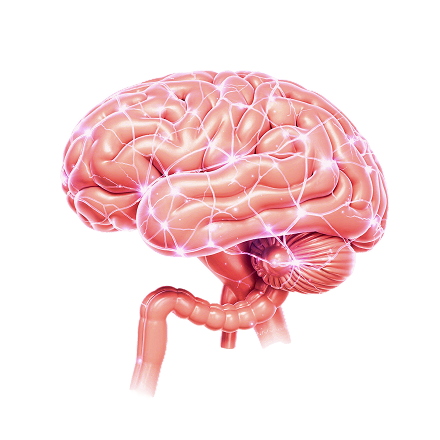
In the brain, activated cannabinoids and other plant-derived compounds interact with receptor systems that help regulate mood, attention, and sensory processing. These interactions contribute to the range of subjective experiences reported by consumers.
KEY POINT: Perception and degree of intoxication can vary between individuals based on genetics, a product’s specific ingredient profile, the context of the experience, and dose tolerance effects.


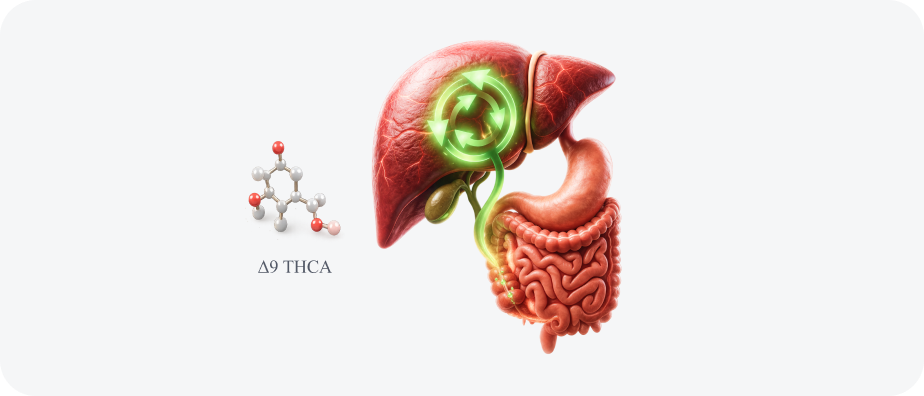
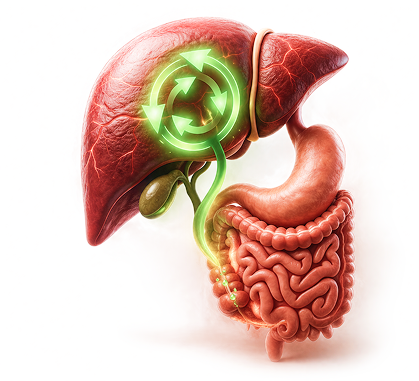
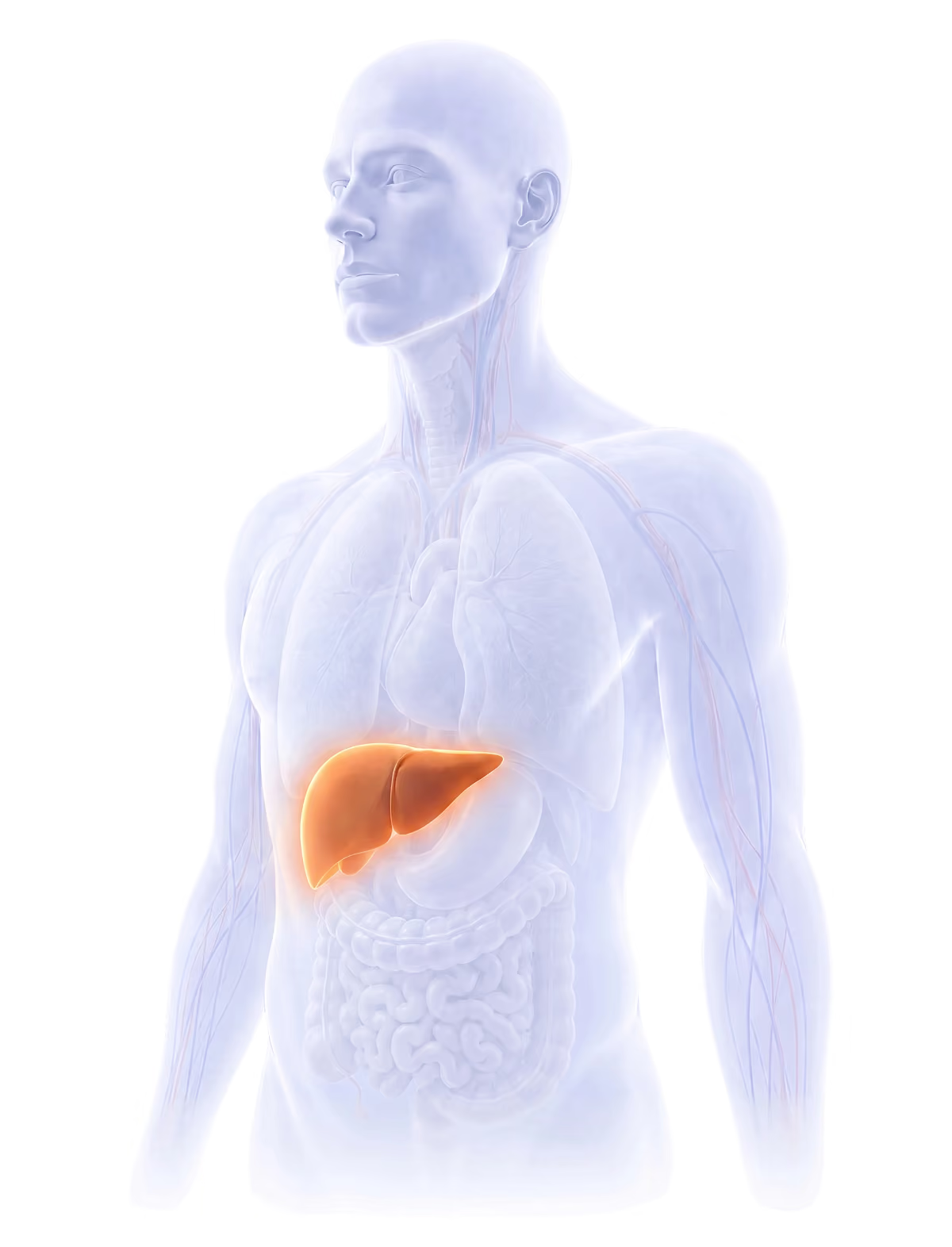
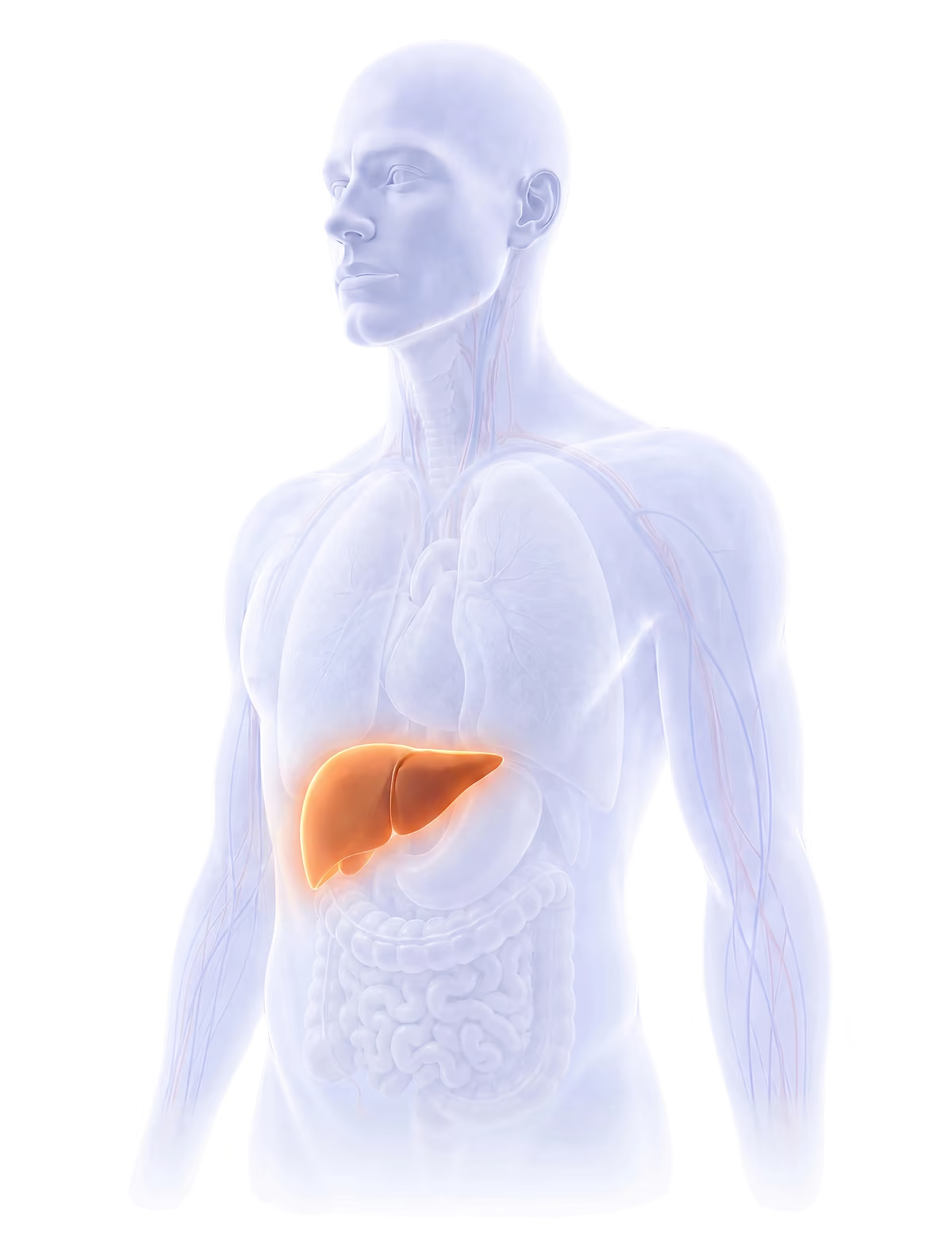
As activated compounds circulate through the bloodstream, they eventually find their way to the liver where they are processed and broken down. Metabolism transforms these compounds into different forms, some of which may still be active. This process determines how long a consumer may experience the effects of a particular product experience.
KEY POINT: Differences in metabolism and the rate at which active ingredients in the bloodstream are broken down between individuals contribute to the variability in overall duration of the experience—how long the effects of a particular product are perceived.


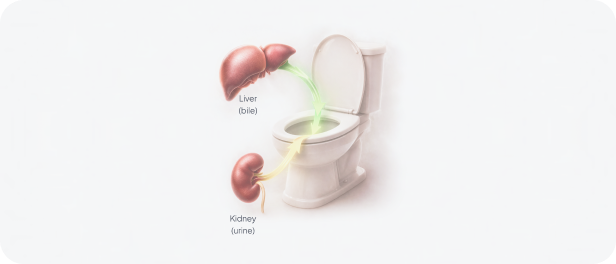
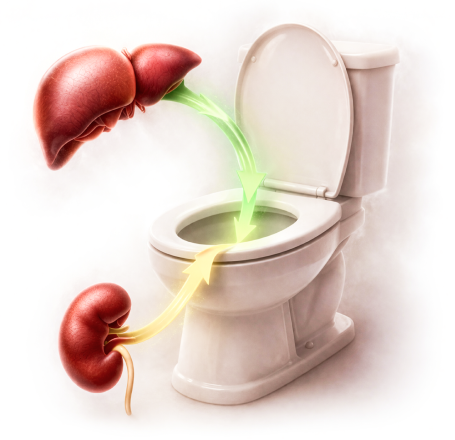
Metabolized ingredients are ultimately eliminated from the bloodstream, primarily by the liver, where they are excreted through bile into the gut and eliminated from the body through feces. To a lesser extent, they are also filtered from the bloodstream by the kidneys and eliminated through urine.

KEY POINT: The rate of elimination of metabolized cannabis ingredients by the liver and kidneys affects how long active compounds remain in circulation and continue to contribute to the overall duration of the experience.
Cannabis experiences begin long before perception — shaped by how ingredients are activated, absorbed, and processed throughout the body. Cannabis products come in multiple forms, and product type determines how each must be consumed in order to feel its effects.
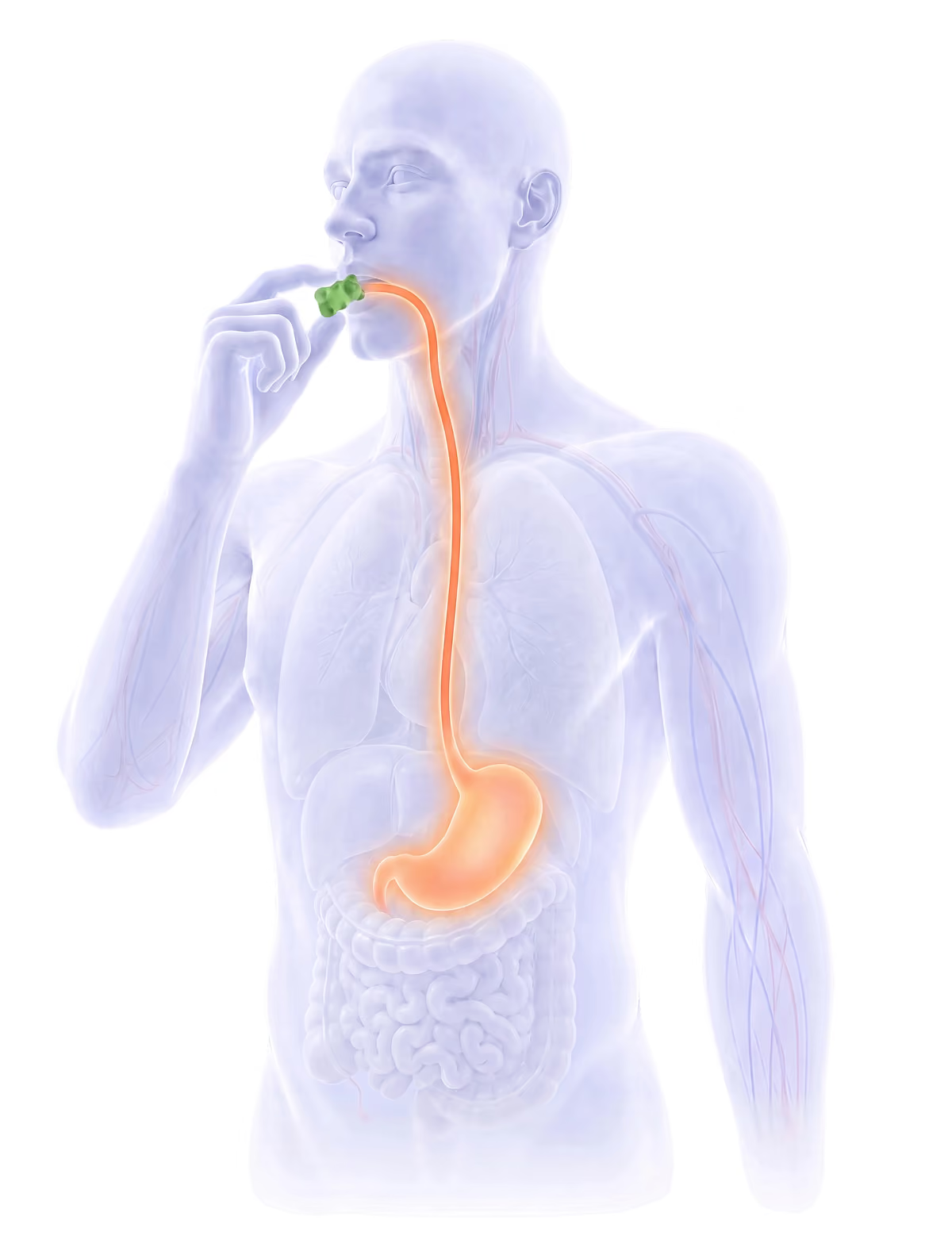
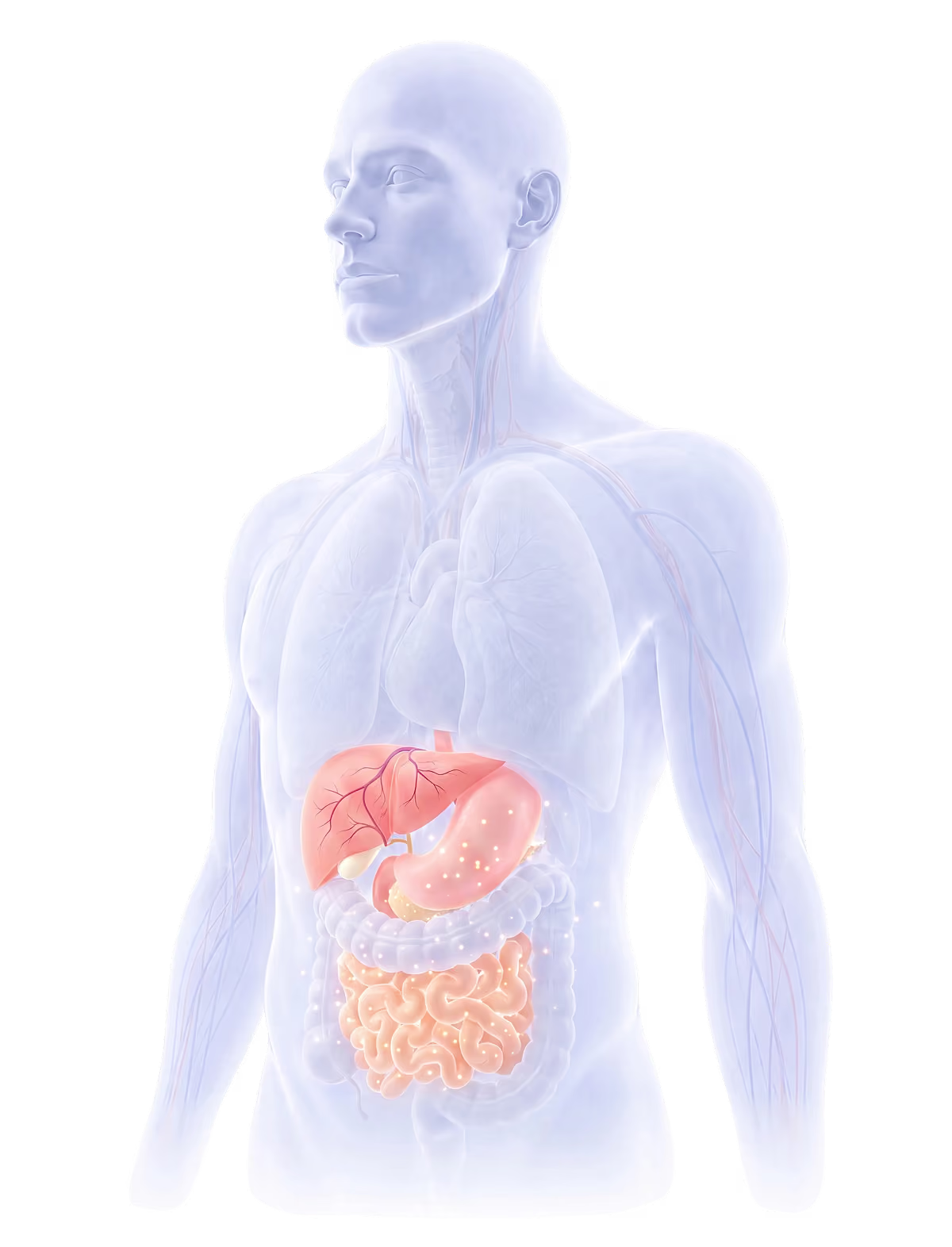
When substances are absorbed from the digestive system, they don’t go straight to the brain. Instead, they first travel through a specialized pathway called the portal venous system, a network of blood vessels that carries absorbed compounds from the gut directly to the liver.
The liver acts as a filter and biochemical processing center, where nutrients are transformed before entering general circulation, and ingested toxins are cleaned from the bloodstream. This is known as first-pass metabolism.

Gut

Liver


Blood Stream
When activated Δ9-THC is ingested, it is absorbed through the gut and carried through the portal vein to the liver first.

In the liver, a large portion of THC is converted into 11-hydroxy-THC, a THC metabolite that is also psychoactive. Effects are typically delayed but may feel more gradual and longer-lasting.
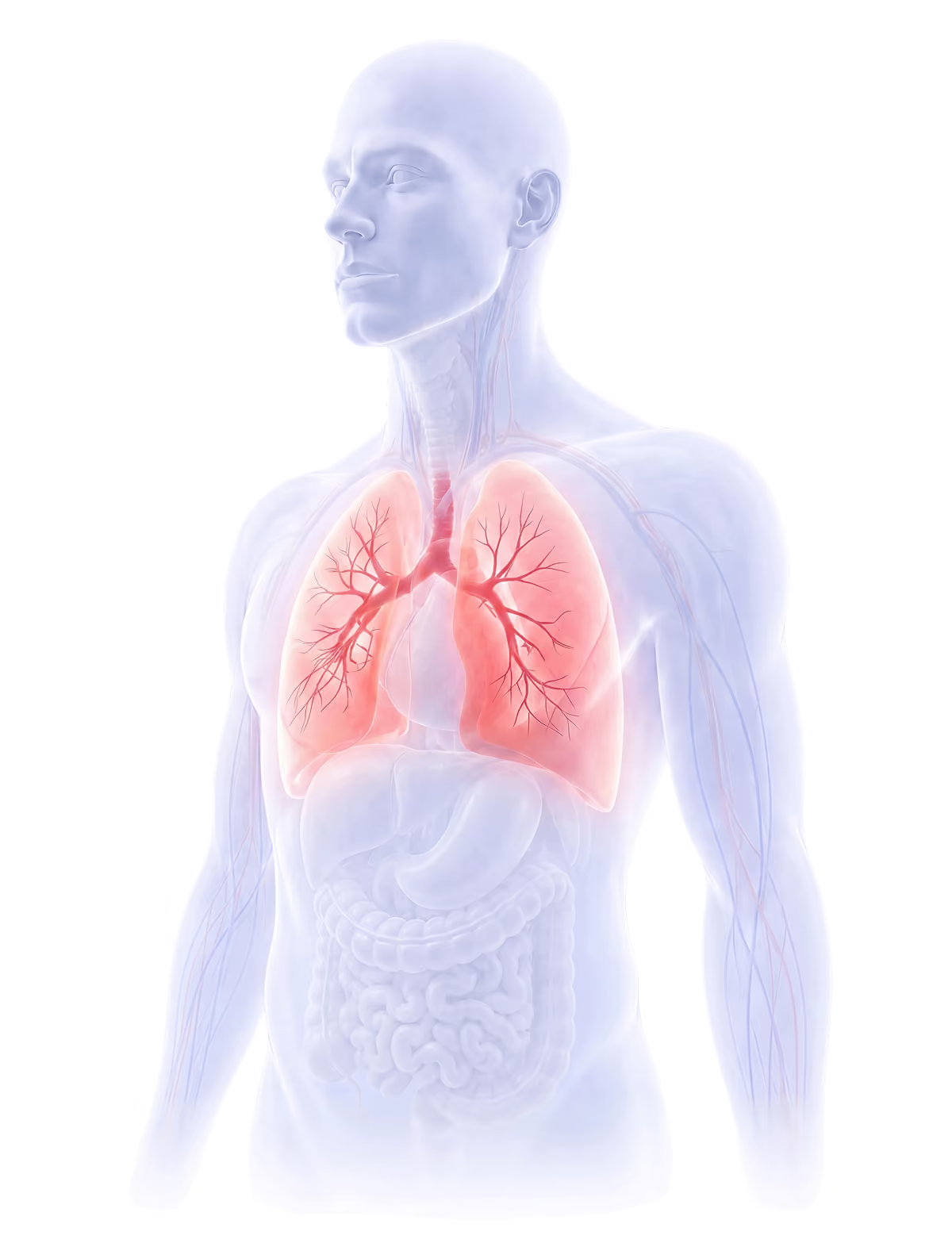
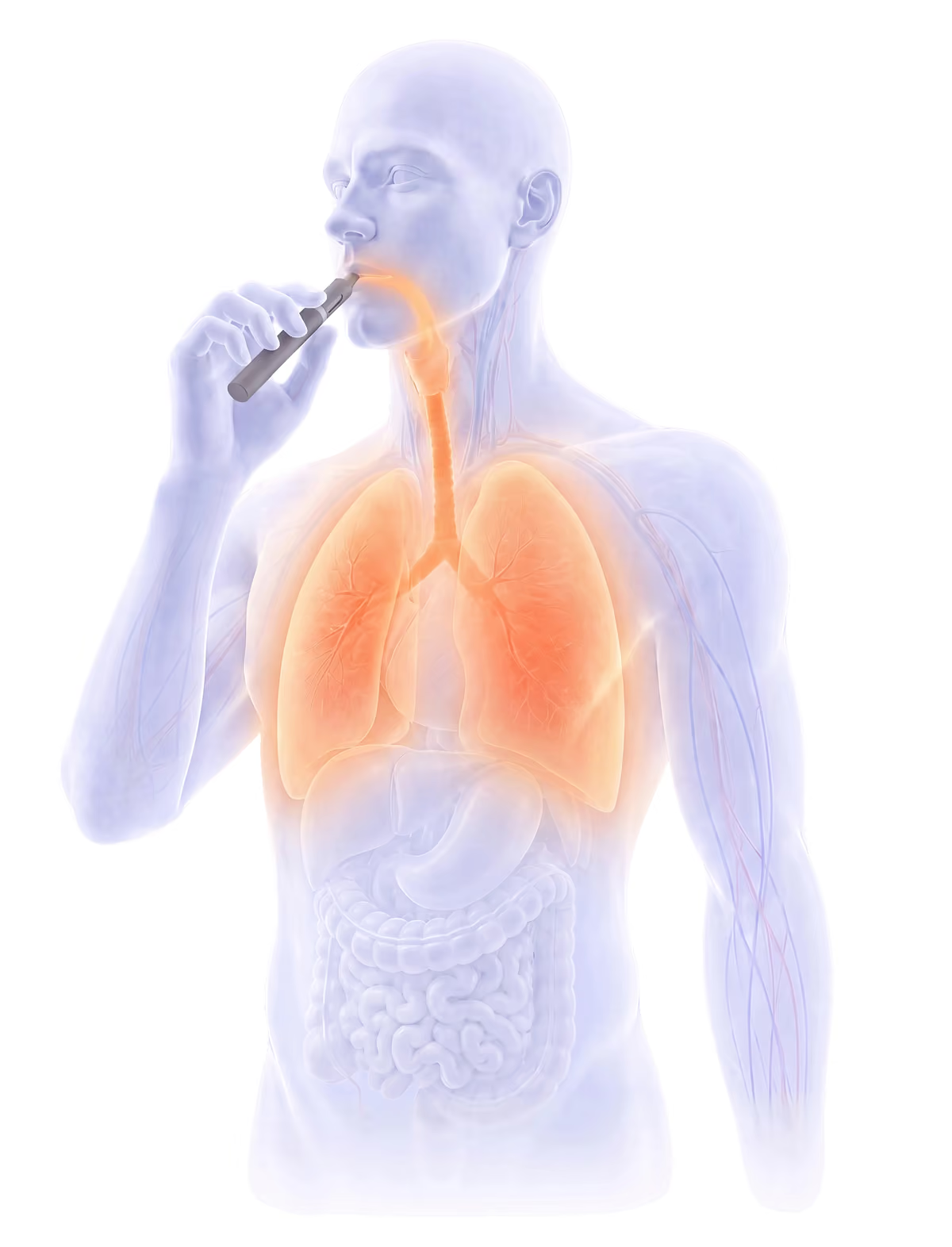
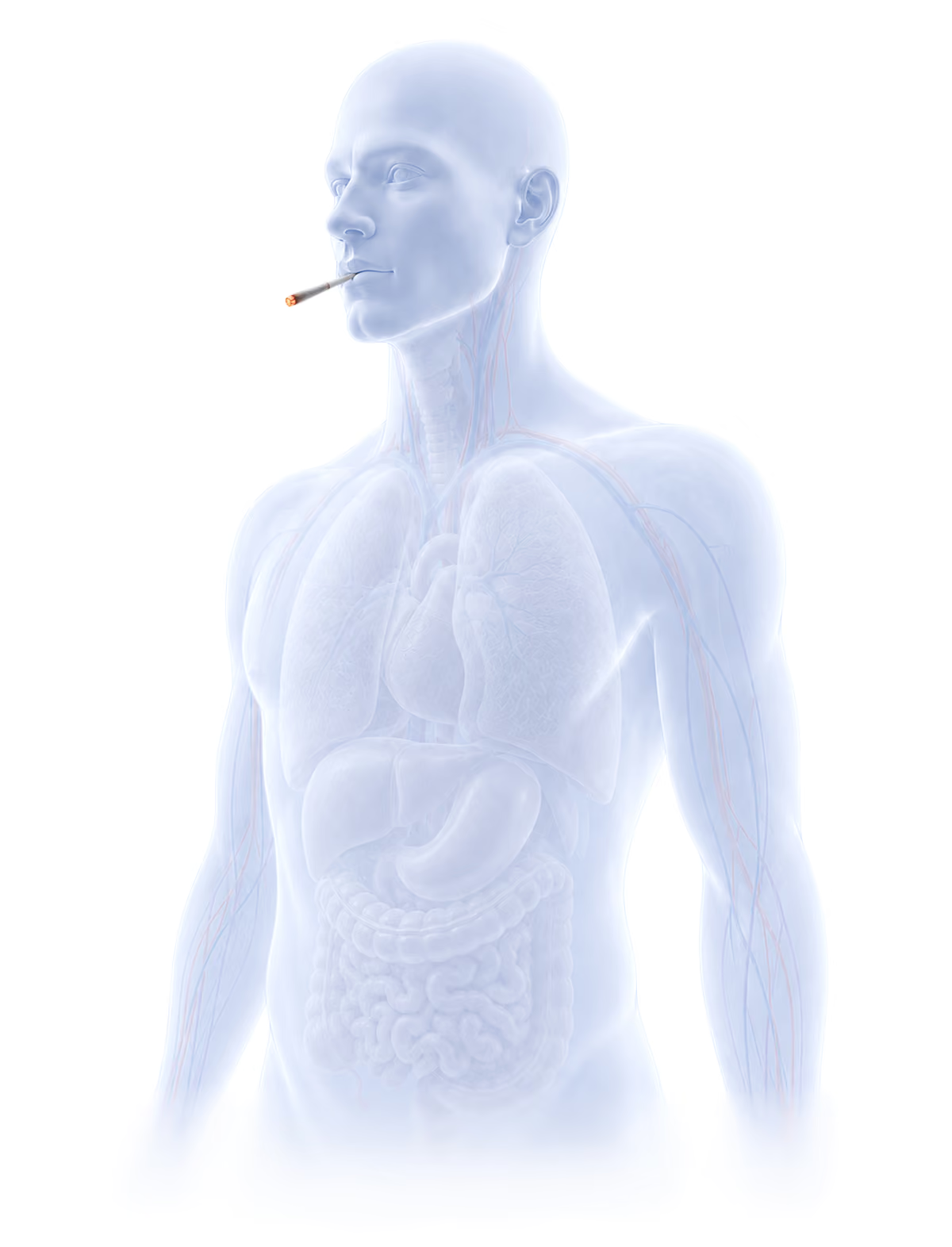
When inhaled, activated Δ9-THC quickly enters the bloodstream through the lungs, bypassing the liver and reaching the brain.

This results in quicker effect onset, with less early conversion to 11-hydroxy-THC compared to edibles.
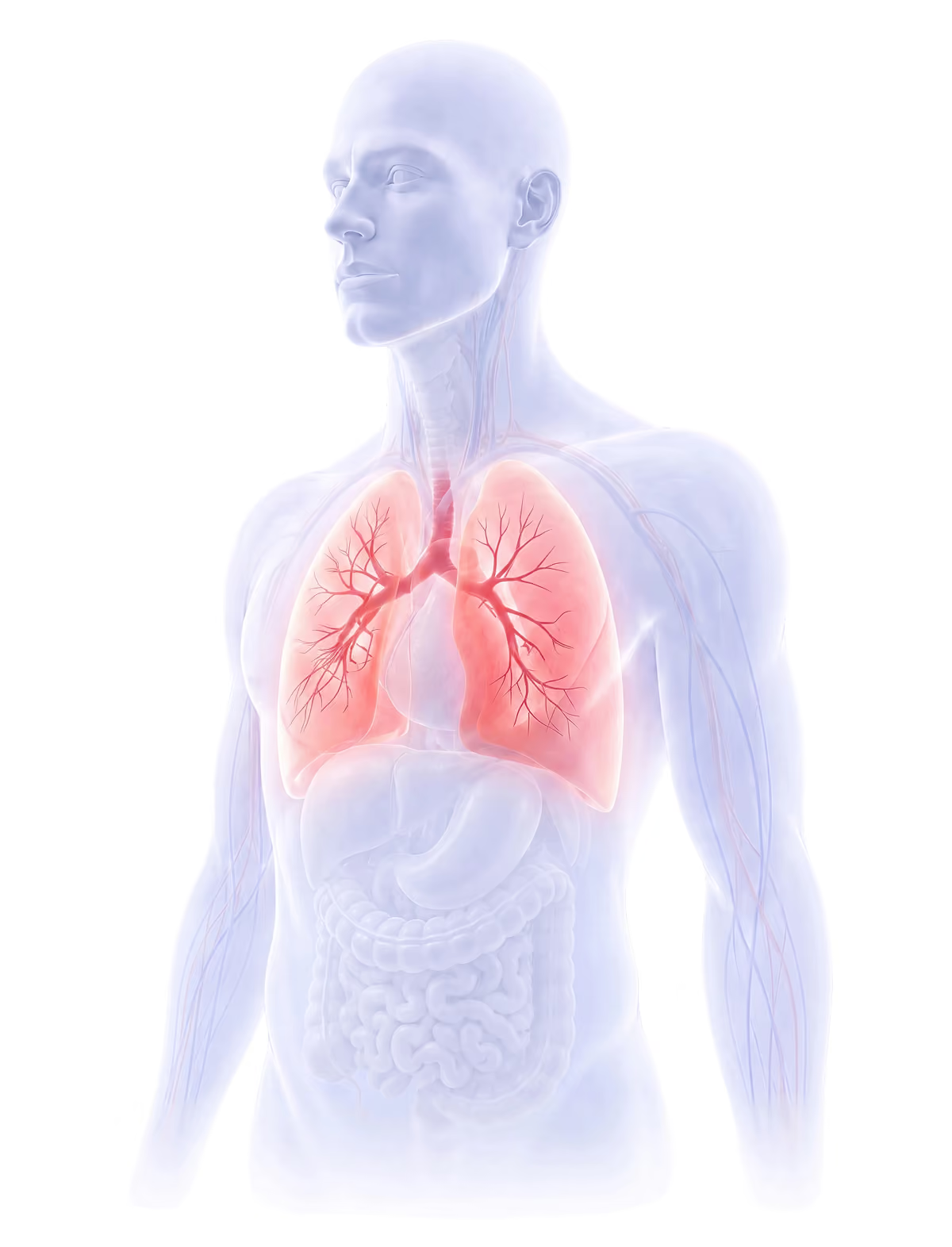
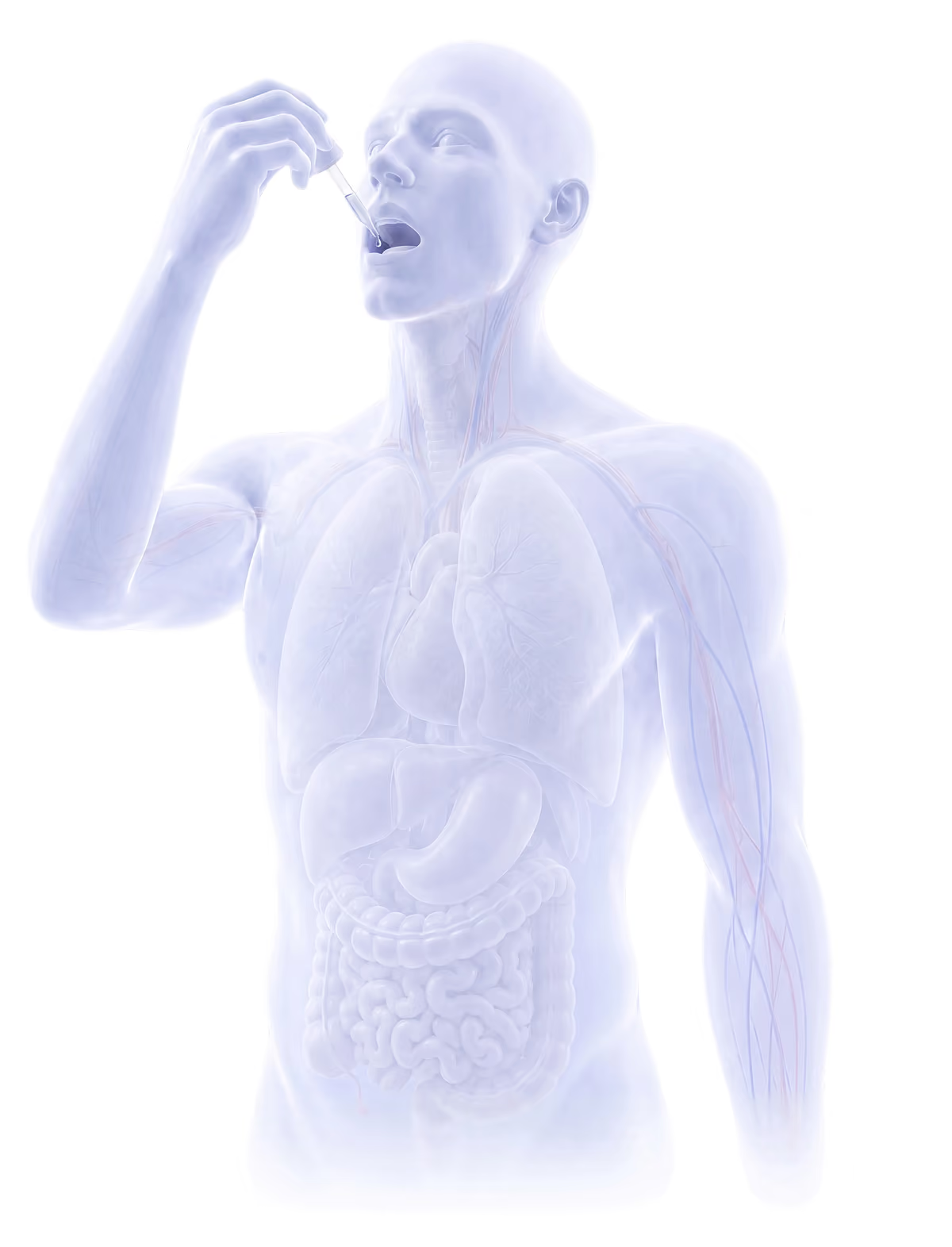
Products absorbed through mouth tissues bypass first-pass liver metabolism and enter bloodstream directly.

In the liver, a large portion of THC is converted into 11-hydroxy-THC, a THC metabolite that is also psychoactive. Effects are typically delayed but may feel more gradual and longer-lasting.
The route of entry determines the path through the body, and that path influences
Understanding these pathways provides a clearer picture of why different product types can feel noticeably different, even when they contain similar ingredients.

The effects are perceived

They may last

between THC and its metabolites in circulation

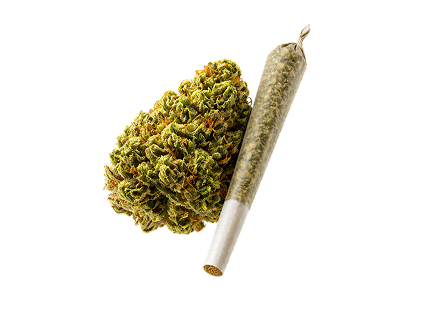
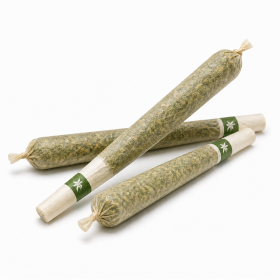
Flower, Concentrates
Activation
Usually require heating at time of consumption for activation.
Mostly contain THCA that becomes active (Δ9-THC) when heated at time of use (flame or vaporization).
Effect Timing
Onset: Quick (3–5 mins) due to rapid absorption through lungs into bloodstream and direct delivery to brain.
Duration: Short (typically 2–4 hrs). No first-pass metabolism.
Considerations
Pros: Rapid effect feedback allows more precise dose control.
Cons: Less discreet (odor, visible use); shorter duration; may require repeated dosing.
Consistency: Generally more predictable dosing, but dose delivery varies by inhalation technique.

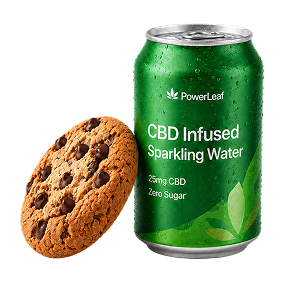
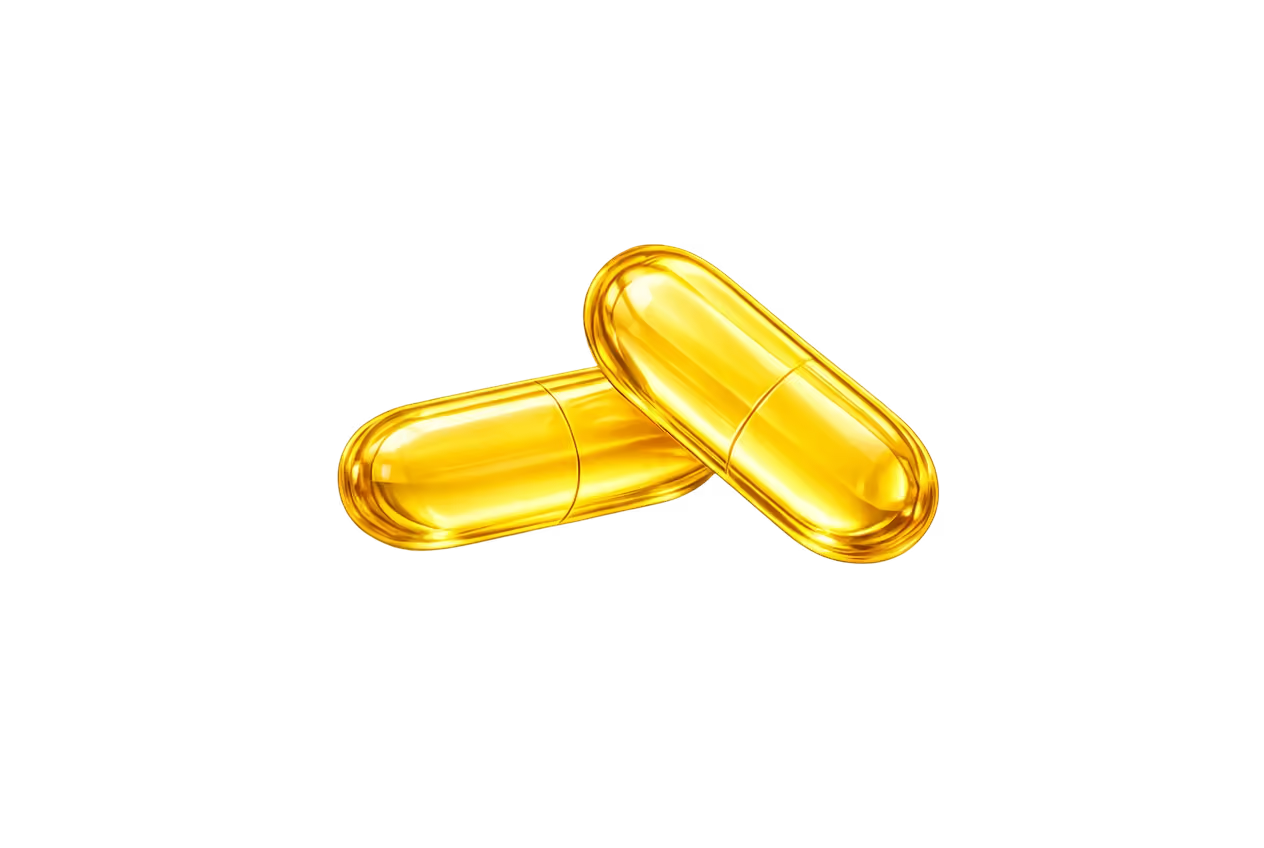
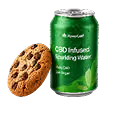
Edibles, Capsules, Beverages
Activation
Contain already activated Δ9-THC. Ready to use right out of the package.
No heating required.
Effect Timing
Onset: Delayed (30 min–2+ hrs) due to gut absorption and first-pass metabolism in liver.
Duration: Longer (6–8+ hrs). Formation of 11-OH-THC contributes to prolonged effects.
Considerations
Pros: Discreet; longer-lasting effects.
Cons: Slower onset makes dose tuning more difficult; variability based on metabolism and food intake.
Consistency: Less predictable across individuals due to liver metabolism differences.

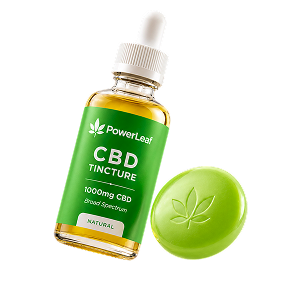
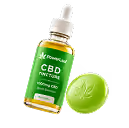
Tinctures, Lozenges
Activation
Contain already activated Δ9-THC. Ready to use right out of the package.
No heating required.
Effect Timing
Onset: Intermediate (15–45 mins). Mostly absorbed through oral tissues, but a portion may be swallowed and follow oral pathway.
Duration: Moderate (4–6 hrs).
Considerations
Pros: More discreet than inhalation; faster onset than edibles (no first-pass metabolism by liver).
Cons: Variable absorption depending on use (holding time, swallowing).
Consistency: Intermediate predictability—hybrid of inhaled and ingested pathways.

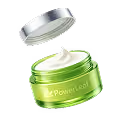
Lotions, Creams, Balms
Activation
Already activated and ready to use right out of the package.
Applied directly to skin.
Effect Timing
Onset: Rapid (10–15 mins, peak dose effects in 1 hr); minimal to no absorption into bloodstream.
Duration: Variable (2–6 hrs); effects generally limited to site of application.
Considerations
Pros: No systemic psychoactive effects; discreet.
Cons: Effects limited to local area; not intended for whole-body experience.
Consistency: Generally consistent but depends on formulation and skin permeability.

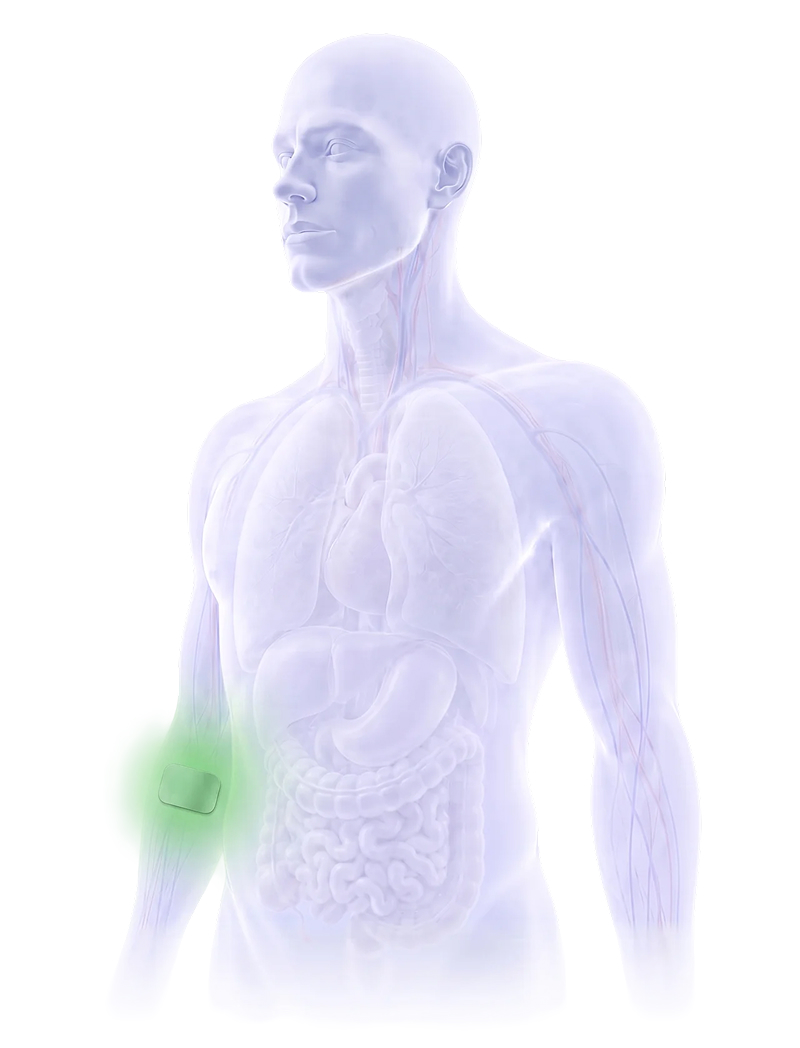
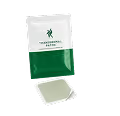
Adhesive Patches
Activation
Already activated and ready to use right out of the package.
Applied directly to skin.
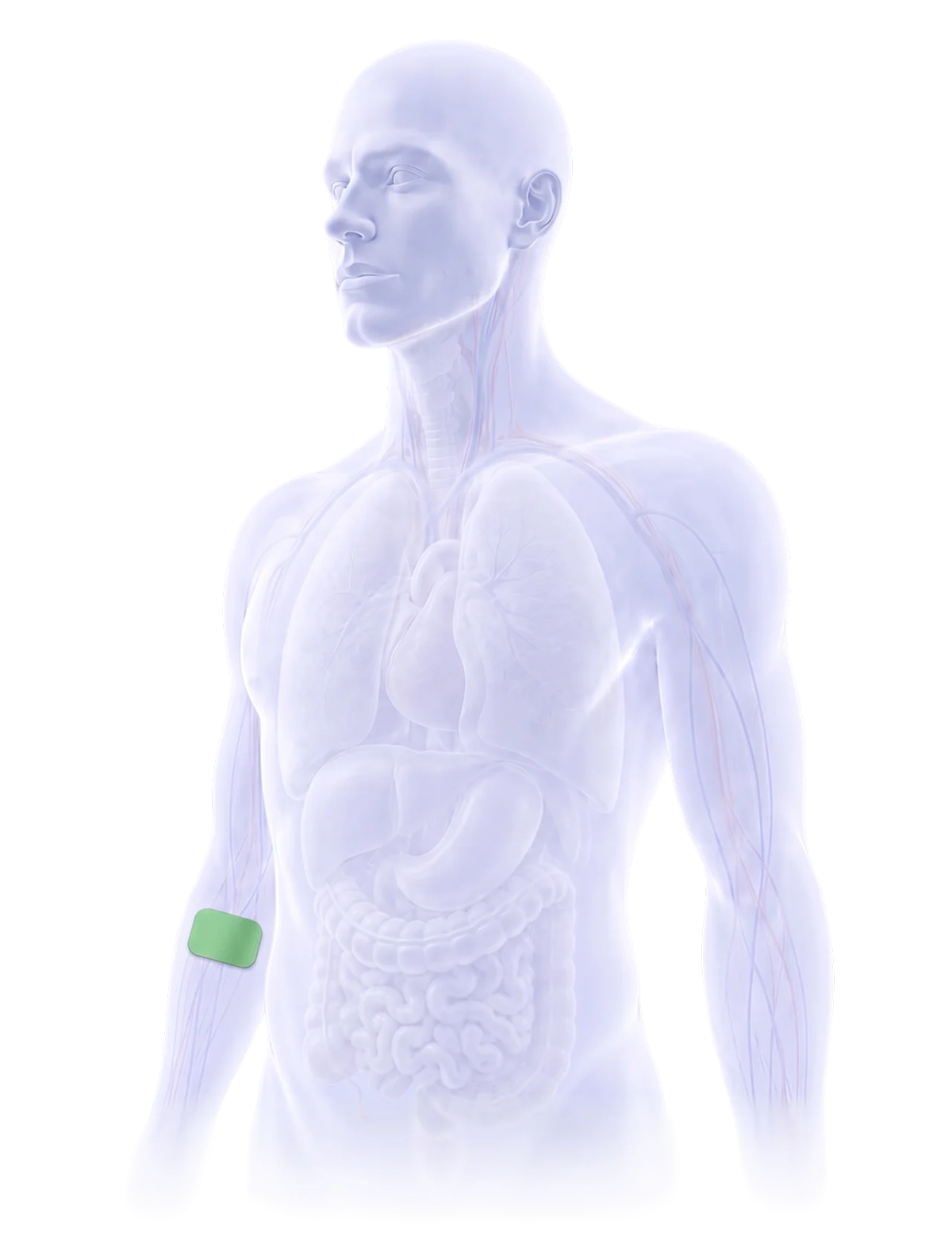
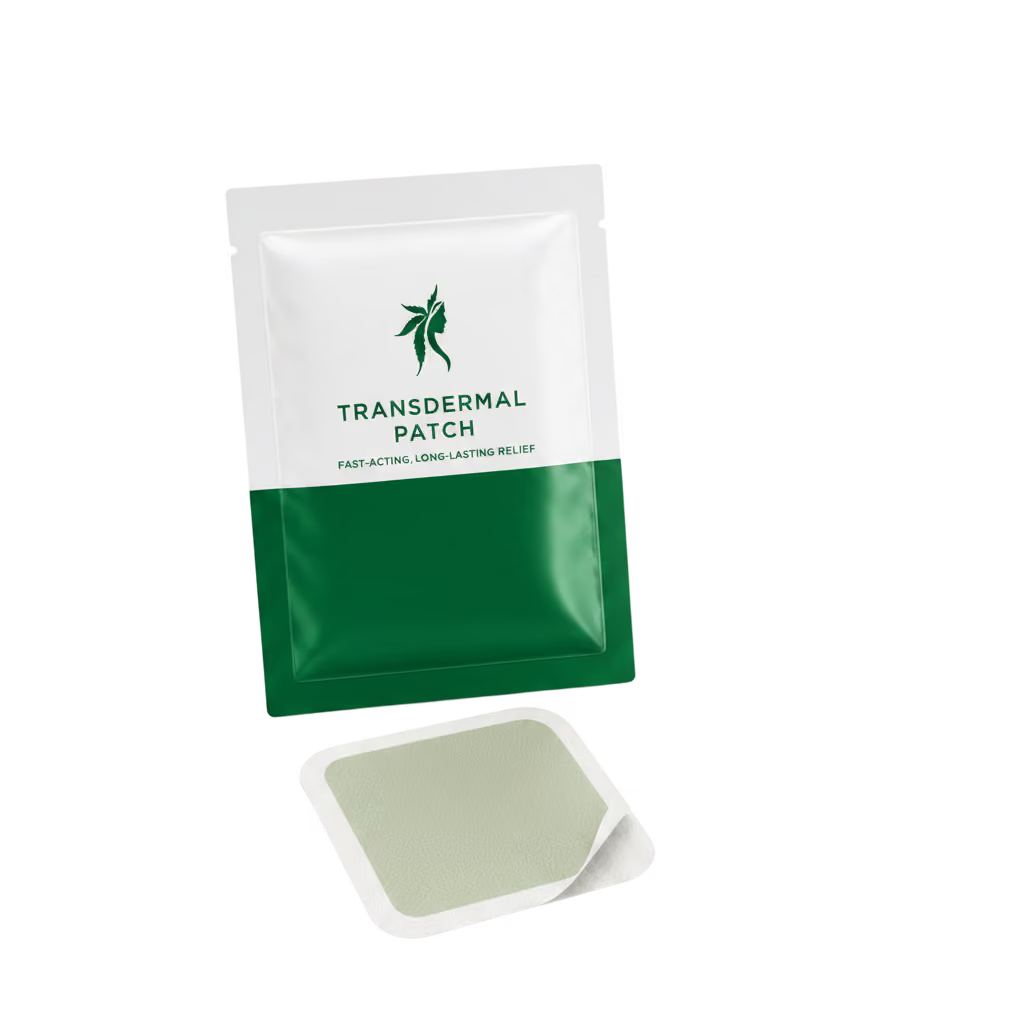
Formulated for skin penetration into bloodstream.
Effect Timing
Onset: Gradual (30–60 mins). Ingredients pass through skin into bloodstream for whole-body effects.
Duration: Prolonged (8–12+ hrs depending on formulation). Avoids first-pass metabolism in liver.
Considerations
Pros: Discreet; stable dosing by controlled release.
Cons: Slower onset; variable absorption across individuals. Limited product availability in stores.
Consistency: More stable bloodstream levels, but absorbed dose influenced by skin characteristics.
Route of administration affects the timing and duration of effects due to differences in absorption and metabolism.
Inhalation bypasses the liver initially, leading to faster onset, but shorter effect duration.
Ingestion involves first-pass metabolism by the liver, producing 11-OH-THC, delaying effect onset and extending duration.
Sublingual sits between these pathways, with mixed absorption behavior.
Topical products provide local superficial effects without entering the bloodstream (non-intoxicating).
Transdermal products are absorbed through the skin to enter the bloodstream (intoxicating), with steady, prolonged, time-released dosing.


Activation
Usually require heating at time of consumption for activation.
Mostly contain THCA that becomes active (Δ9-THC) when heated at time of use (flame or vaporization).
Effect Timing
Onset: Quick (3-5 mins) due to rapid absorption through lungs into bloodstream and direct delivery to brain.
Duration: Short (typically 2–4 hrs). No first-pass metabolism.
Considerations
Pros: Rapid effect feedback allows more precise dose control.
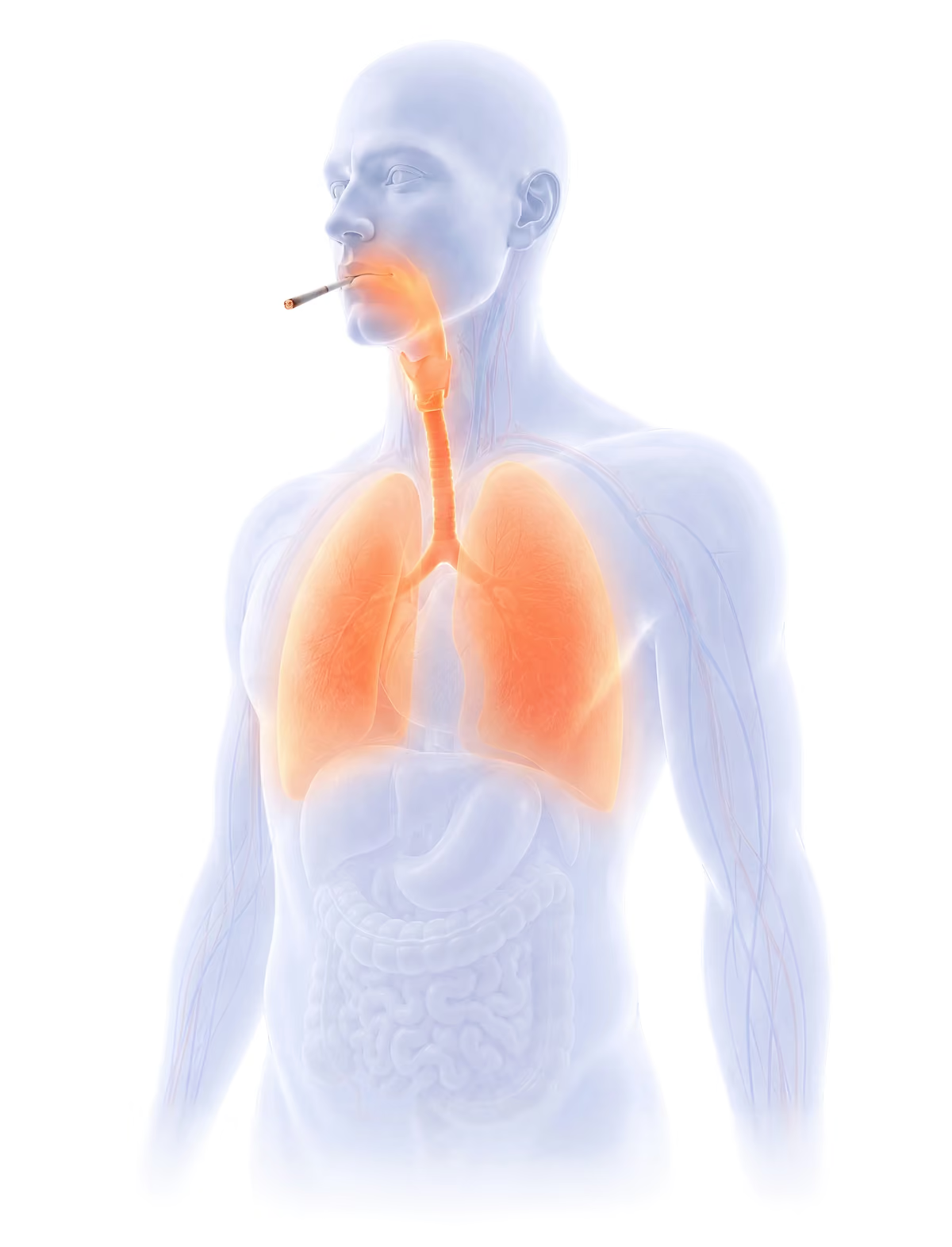
Cons: Less discreet (odor, visible use); shorter duration; may require repeated dosing.
Consistency: Generally more predictable dosing, but dose delivery varies by inhalation technique.

Flower, Conentrates


Activation
Contain already activated Δ9-THC.
Ready to use right out of the package.
No heating required.
Effect Timing
Onset: Delayed (30 min–2+ hrs) due to gut absorption and first-pass metabolism in liver.
Duration: Longer (6 – 8+hr)
Formation of 11-OH-THC contributes to prolonged effects.
Considerations
Pros: Discreet; longer-lasting effects.
Cons: Slower onset makes dose tuning more difficult; variability based on metabolism and food intake.
Consistency: Less predictable across individuals due to liver metabolism differences.

Edibles, Capsules, Beverages


Activation
Contain already activated Δ9-THC.
Ready to use right out of the package.
No heating required.
Effect Timing
Onset: Intermediate (15–45 mins). Mostly absorbed through oral tissues, but a portion may be swallowed and follow oral pathway.
Duration: Moderate (4–6 hrs).
Considerations
Pros: More discreet than inhalation; faster onset than edibles (no first-pass metabolism by liver).
Cons: Variable absorption depending on use (holding time, swallowing).
Consistency: Intermediate predictability—hybrid of inhaled and ingested pathways.

Tincrures, Lozenges


Activation
Already activated and ready to use right out of the package.
Applied directly to skin.
Effect Timing
Onset: Rapid (10-15 mins, peak dose effects in 1 hr); minimal to no absorption into bloodstream.
Duration: Variable (2-6 hrs); effects generally limited to site of application.
Considerations
Pros: No systemic psychoactive effects; discreet.
Cons: Effects limited to local area; not intended for whole-body experience.
Consistency: Generally consistent but depends on formulation and skin permeability.

Lotions, Creams, Balms


Activation
Already activated and ready to use right out of the package.
Applied directly to skin.
Formulated for skin penetration into bloodstream
.
Effect Timing
Onset: Gradual (30-60 mins). Ingredients pass through skin into bloodstream for whole-body effects.
Duration: Prolonged (8-12+ hrs depending on formulation). Avoids first-pass metabolism in liver.
Considerations
Pros: Discreet; stable dosing by controlled release.
Cons: Slower onset; variable absorption across individuals. Limited product availability in stores.
Consistency: More stable bloodstream levels, but absorbed dose influenced by skin characteristics.

Adhesive Patches

KEY INSIGHTS:
Route of administration affects the timing and duration of effects due to differences in absorption and metabolism.
Inhalation bypasses the liver initially, leading to faster onset, but shorter effect duration.
Ingestion involves first-pass metabolism by the liver, producing 11-OH-THC, delaying effect onset and extending duration.
Sublingual sits between these pathways, with mixed absorption behavior.
Topical products provide local superficial effects without entering the bloodstream (non-intoxicating).
Transdermal products are absorbed through the skin to enter the bloodstream (intoxicating), with steady, prolonged, time-released dosing.